How this started
Noor spent six years on the import side of the coffee trade, which mostly meant spreadsheets. She could tell you the differential on a Kayanza lot to two decimal places and could not have told you the name of a single person who grew it. In 2016 she rented a unit on Ashfield Road with a second-hand two-group machine and a plan to fix that.
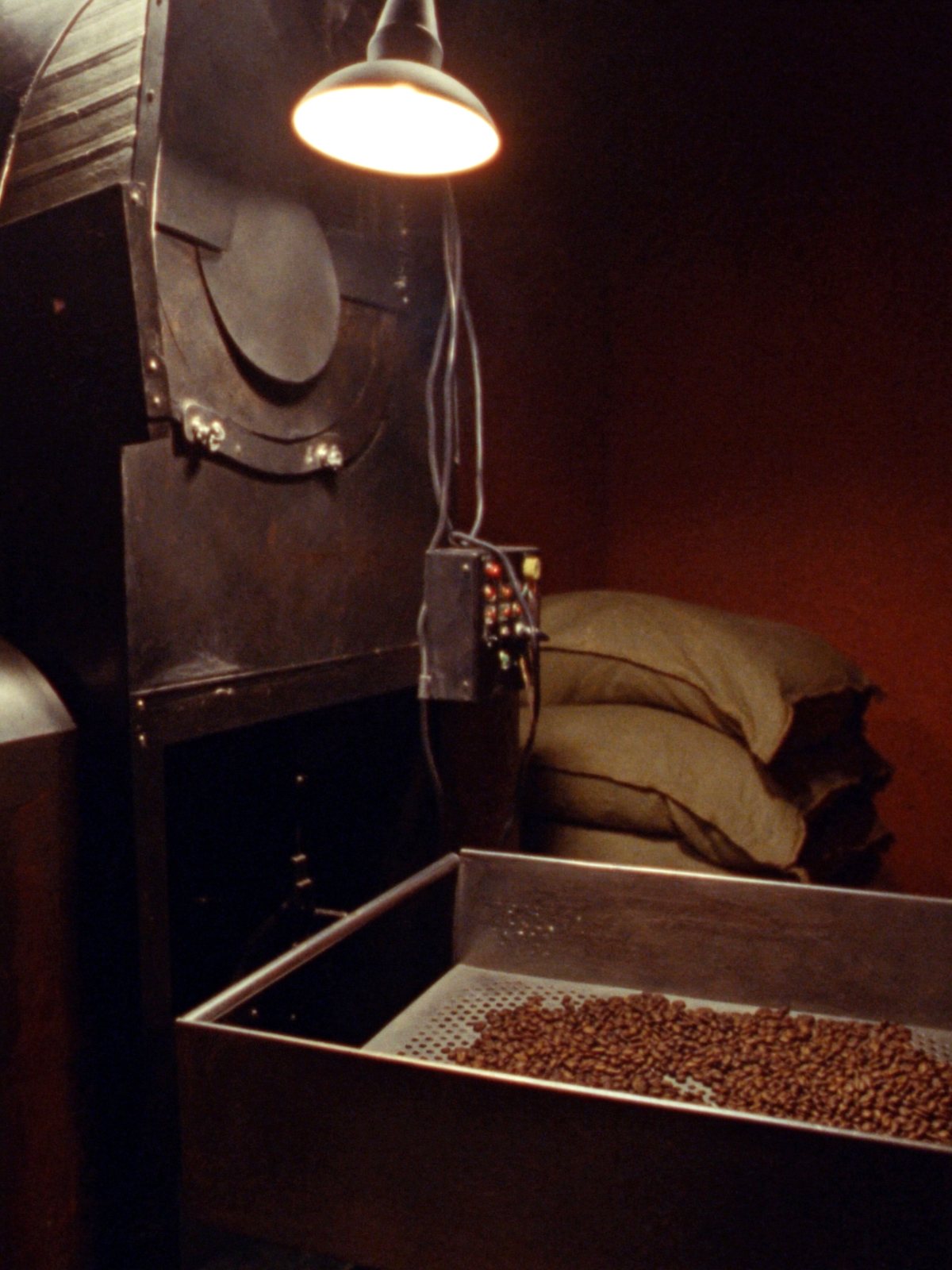
For the first two years we bought roasted coffee from people we admired. It was good, and it was somebody else's decision. The 12kg drum arrived in 2018, secondhand from a roaster in Cardiff who was upgrading, and Tomás — who had been pulling shots on Saturdays — turned out to be the one who could not leave it alone. He has roasted every batch since and written every one down in a hardback ledger that now runs to four volumes.
What changed when we started roasting
The honest answer is that we got worse before we got better. There is a stretch of 2018 in the ledger that Tomás has annotated, in pencil, with the word no. But roasting our own meant we had to decide what we actually wanted coffee to taste like, and once you have said that out loud you have to buy accordingly.
So the buying changed too. We stopped taking what was offered and started going out. Noor now travels twice a year, and every farm on the shelf is one she has stood on. We buy the same lots back season after season at prices agreed before the harvest, which costs us more than the spot market and means the farms are still there next year.
The bar has not changed much
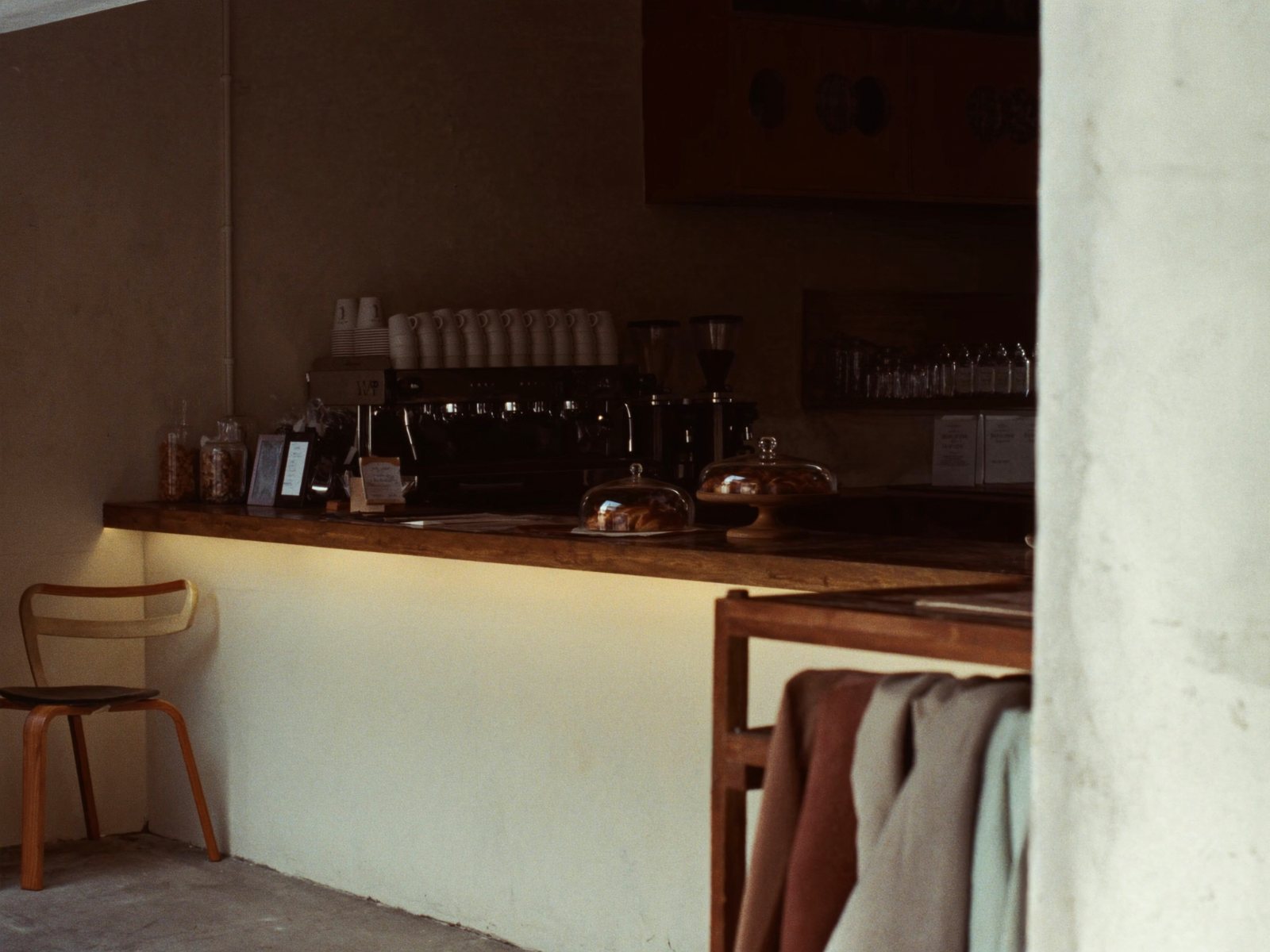
It is still eighteen seats and a machine you can lean on. The pastries still come from the bakery under the arches on Sydenham Road, still at seven, still in a crate. We still stop serving hot food when the bread runs out, which annoys people at half past one on a Saturday and which we are not going to fix.